
The Psychology of Gambling
Understanding the psychological factors that drive individuals to gamble is essential in exploring how casinos influence gambling behavior. Many gamblers experience excitement and thrill as they participate in games of chance, often leading to an adrenaline rush that can be addictive. This psychological state creates a cycle where the more someone gambles, the more they crave that initial high, which casinos are adept at exploiting. In fact, some players prefer establishments that provide options like casino not on gamstop, ensuring a more flexible gambling experience.
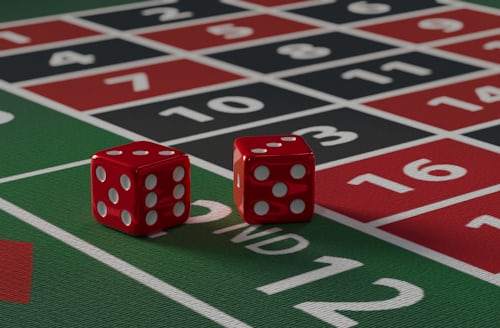
Casinos utilize various strategies, such as bright lights, sounds of winning, and free services, to enhance the gaming environment and further stimulate desire. These sensory elements engage the brain’s reward systems, reinforcing the behavior of gambling and creating a euphoric experience that is hard for many to resist. This connection between sensory stimulation and gambling behavior is a core element of casino design and marketing.
Casino Design and Environment
The layout and design of a casino play a significant role in influencing gambling behaviors. By creating an environment that encourages prolonged play, casinos strategically position games and amenities to maximize the time patrons spend gambling. For example, placing slot machines in clusters can lead to increased social interaction and a higher likelihood of continued play.
Moreover, the absence of clocks and windows in many casinos eliminates natural time cues, allowing gamblers to lose track of time. This deliberate design choice can lead to extended gambling sessions, as players become engrossed in gameplay without realizing how much time has passed. Such environmental factors significantly impact gambling behavior and can lead to problematic gambling habits.
The Role of Rewards and Incentives
Incentives and rewards are powerful tools used by casinos to influence gambling behavior. Loyalty programs, complimentary meals, and free hotel stays are just a few examples of methods intended to encourage repeat patronage. These rewards create a subconscious link between gambling and positive reinforcement, making individuals more likely to return.
Certain casinos utilize tiered loyalty programs that offer greater rewards as patrons gamble more. This not only incentivizes increased spending but also fosters a sense of belonging, which can be particularly appealing to individuals seeking social engagement. The continuous cycle of reward and engagement often leads to habitual gambling behaviors that are difficult to break.
The Impact of Marketing and Advertising
Marketing strategies employed by casinos also significantly influence gambling behavior. Promotions that highlight big jackpots and winning stories create a sense of excitement and possibility, enticing individuals to try their luck. Advertisements often portray an idealized version of gambling that overlooks potential negative consequences, leading to skewed perceptions about the likelihood of winning.
Furthermore, the use of social media and digital marketing has transformed how casinos engage with potential gamblers. Targeted ads can reach specific audiences, making it easier for casinos to attract new customers and retain existing ones. This continuous exposure to enticing gambling opportunities shapes consumer perceptions and can lead to increased participation in gambling activities.
Connecting Work-Life Balance and Gambling Awareness
Understanding how casinos influence gambling behavior is crucial for fostering a healthier workplace and promoting work-life balance. By raising awareness about the psychological and environmental factors that contribute to gambling habits, employers can create a supportive environment for employees who may be struggling with gambling-related issues.
Resources and strategies aimed at enhancing workplace well-being can ultimately lead to healthier choices around leisure activities, including gambling. Initiatives that encourage open dialogue about gambling behaviors can help employees navigate their relationships with gambling, reducing the risk of developing problematic habits that may interfere with their professional lives.